PhysioFIT Discovery Call!
Ready for Relief from TMJ Pain? Call Today!
Restoring Balance to a Complex Joint
The temporomandibular joint (TMJ) is one of the most complex joints in your body, responsible for the essential daily functions of talking, chewing, and yawning. Because this system is so intricate, problems related to it are officially called Temporomandibular Disorders (TMD). When this system is out of balance, it can lead to debilitating jaw pain, chronic headaches, and frustrating clicking or locking.
This is where expert care makes all the difference. At PhysioFIT, we understand the delicate mechanics of TMJ and its connection to your head and neck. Our physical therapists in Bend provide a comprehensive evaluation to understand the root cause of your pain, then build a personalized treatment plan to restore pain-free function.
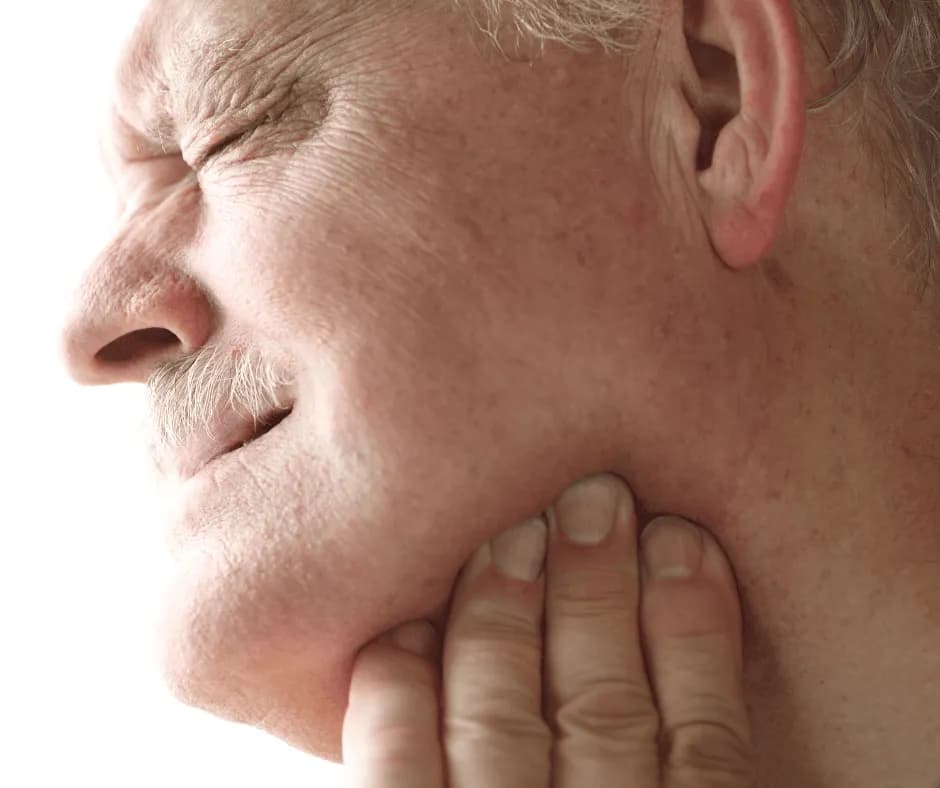
Common Symptoms of TMJ Pain
A feeling of tightness, stiffness, or fatigue in your jaw muscles
Pain or aching in your jaw, especially while chewing, talking, or yawning
Clicking, popping, or grating sounds when you open or close your mouth
Difficulty opening your mouth wide or a feeling of the jaw locking
Pain that radiates to your neck and shoulders
Chronic headaches or migraines, often felt in the temples
Aching pain in or around your ear that can feel like a toothache
Ringing in your ears (tinnitus)
A sudden feeling that your upper and lower teeth no longer fit together properly
The Most Common Causes of TMJ Pain
TMJ pain rarely stems from a single issue. More often, it's the result of several contributing factors, which is why a thorough evaluation is so important. Below are some of the most common causes we see:
Direct Jaw Injury
A direct blow to the face, a fall, or another physical trauma can dislocate the jaw or damage the joint itself. This can disrupt the delicate alignment of TMJ, leading to immediate pain, swelling, and difficulty with movement.
Osteoarthritis (Wear and Tear)
Just like in a knee or hip, the cartilage in your jaw joint can wear down over time due to age and use. This degeneration, known as osteoarthritis, can cause a painful, grating sensation, stiffness, and reduced mobility when you talk or chew.
Inflammatory Arthritis (RA)
Systemic, inflammatory conditions like rheumatoid arthritis (RA) can cause the body's immune system to attack the jaw joint. This can lead to the erosion of cartilage and bone, resulting in significant pain, inflammation, and joint damage.
Teeth Grinding & Clenching (Bruxism)
Whether it happens during the day or unconsciously at night, the habit of grinding or clenching your teeth places extreme pressure on your jaw joints. Over time, this can wear down cartilage, fatigue your chewing muscles, and lead to chronic TMJ pain.
Misaligned Bite (Malocclusion)
When your upper and lower teeth don't fit together properly, it can create an imbalance in your bite. This forces the muscles and joints of your jaw to work overtime with every bite, leading to strain, fatigue, and eventual pain in TMJ.
Stress-Related Muscle Tension
During periods of stress, many people unconsciously tighten the muscles in their jaw, face, and neck. This constant, low-level clenching places immense strain on TMJ, leading to muscle fatigue, tension headaches, and persistent jaw pain.
Proactive Habits for a Healthy Jaw
Prioritize Good Posture
Your head and neck alignment directly impacts the strain on your jaw. Focus on maintaining good posture throughout your day, especially while working at a desk or looking at your phone. Keeping your head aligned over your shoulders is crucial for reducing chronic stress on your TMJ.
Manage Your Stress
Stress often translates directly into physical tension, leading to unconscious jaw clenching and muscle tightness. Incorporating stress-reduction practices like mindfulness, meditation, or even simple breathing exercises can help relax your jaw muscles and protect your TMJ from strain.
Use a Mouth Guard for Protection
A custom mouth guard is a key tool for protecting your jaw from excessive pressure. During sleep, it can prevent the damage caused by unconscious grinding or clenching (bruxism). During contact sports, it absorbs impact and significantly reduces your risk of a traumatic jaw injury.
Please Note
Ready for TMJ Pain Relief?
Take the first step toward lasting relief with PhysioFIT's expert care.