Jaw pain can make everyday life much harder than most people realize. Eating, yawning, speaking, and sleeping can become uncomfortable when the temporomandibular joint (TMJ) and surrounding muscles are irritated. If you are searching for TMJ treatment in Bend, Oregon, understanding your options is the first step toward meaningful relief.
What is TMJ and TMD? (Understanding Jaw Pain)
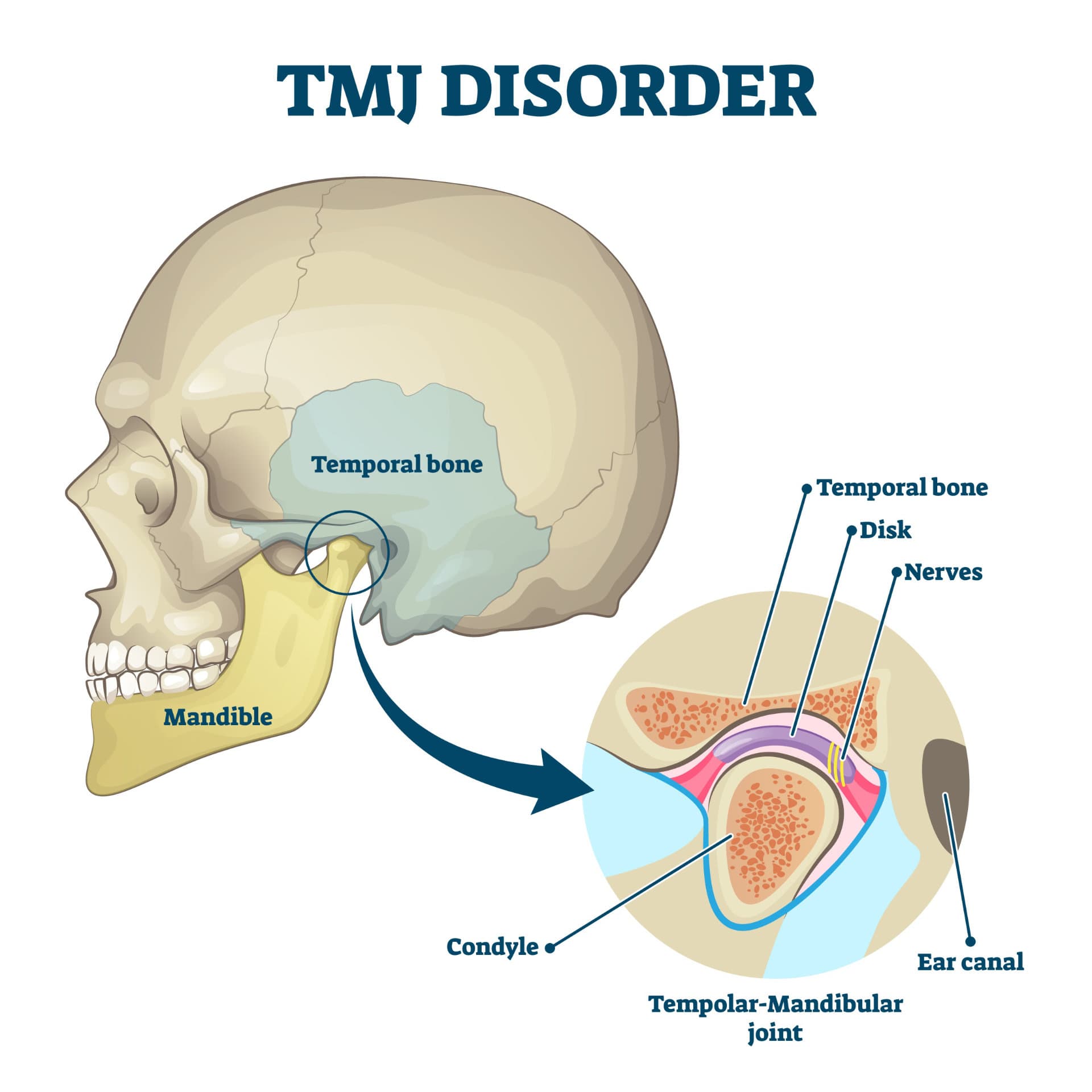
TMJ stands for the temporomandibular joint, while TMD stands for temporomandibular joint disorder. The TMJ connects your lower jaw to your skull. According to the National Institute of Dental and Craniofacial Research, TMD refers to the group of conditions affecting this joint and the muscles that control jaw movement.
While people often say “TMJ” to describe the problem, the medical term is usually TMD. These joints help you open and close your mouth, chew, and speak.
For people dealing with TMJ pain in Bend, a conservative team approach is often the best starting point. This includes physical therapy, self-care, and sometimes a dental evaluation. You can learn more about how a physical therapist in Bend can help manage TMJ disorders to see what to expect from this approach.
Common Symptoms of TMJ Disorder
Common symptoms of TMJ disorder include jaw pain, clicking or popping sounds, limited mouth opening, and pain while chewing. You might also experience headaches or pain around your ear, temple, and cheek.
If you have a TMJ disorder, you know how it can interrupt a day of hiking or biking in the High Desert. However, not every click or pop means there is a serious issue.
Many people have jaw noises without pain or limited function. As noted by the Mayo Clinic, what matters most is whether your symptoms are persistent, painful, or affecting your daily life.
Why TMJ Symptoms and Jaw Pain Happen
TMJ symptoms usually happen due to a combination of factors like jaw clenching, teeth grinding, stress, posture issues, or prior injuries to the head and neck. Sleep disruption and joint hypermobility also play a major role.
Because causes vary from person to person, effective care starts with a personalized evaluation. There is no single plan that works for everyone.
Central Oregon locals often lead active lives. However, stress and poor posture from remote work or commuting can contribute to muscle tension in the face and neck.
How a Physical Therapist for TMJ Evaluates Your Pain
A physical therapist for TMJ evaluates your jaw movement, joint irritability, neck mobility, breathing patterns, and daily habits. They look closely at how your neck and upper back posture affect your jaw.
This broader view is important because jaw pain is heavily influenced by your neck, stress responses, and habitual muscle tension.
Whether you live right here in Bend or commute from Redmond, a thorough assessment helps pinpoint exactly what is causing your discomfort.
Evidence-Based TMD Treatment
Evidence-based TMD treatment in Bend includes education, habit modification, manual therapy, targeted exercises, and neck treatment. The focus is on reducing muscle guarding and improving joint motion. Major health institutions like the Cleveland Clinic strongly support trying these non-surgical, conservative options first.
Simple behavior changes can greatly reduce jaw load. These include avoiding gum chewing, limiting wide mouth opening during flare-ups, and practicing relaxed jaw posture.
A customized physical therapy plan also targets neck and upper back mobility. Because jaw and neck symptoms often overlap, strengthening your cervical spine supports your recovery.
Pain management strategies like heat, self-massage, and breathing exercises help calm sensitive areas. The goal is better function with eating, speaking, sleeping, and daily life.
When to See a TMJ Specialist in Bend
You should see a TMJ specialist in Bend if your symptoms persist, worsen despite conservative care, or if you experience a sudden inability to open or close your jaw. Severe trauma, signs of infection, or unexplained neurological symptoms also require prompt medical attention.
Depending on your specific needs, the right provider could be a dentist, an oral and maxillofacial surgeon (as outlined by the American Association of Oral and Maxillofacial Surgeons), or a physical therapist. A coordinated referral pathway ensures serious causes are ruled out.
TMJ symptoms are often best managed with an interdisciplinary team. A dentist can evaluate bite concerns, while a medical provider can help with sleep issues or related headaches.
What Your Recovery Timeline Looks Like
Recovery timelines for TMJ vary widely, ranging from a few weeks to several months. It depends on symptom duration, irritability, and contributing lifestyle factors.
Progress is usually gradual rather than instant. Flare-ups can happen and do not mean your treatment is failing.
Consistency with your home exercises matters just as much as your clinic visits. Function and comfort are the primary goals over simply lowering pain scores.
Local Care for TMJ Pain at PhysioFIT
Local care for TMJ pain in Bend starts with a one-on-one evaluation at PhysioFIT to identify pain drivers and movement limitations. We then create a tailored treatment plan to help you eat, sleep, and work comfortably.
If your symptoms suggest a need for dental or medical co-management, we will coordinate the right referrals. We focus on structured, conservative treatment for jaw and neck function.
A customized plan helps you get back to your active lifestyle. You can focus on enjoying all that Central Oregon has to offer with less jaw tension.
Frequently Asked Questions About TMJ
Is TMJ the same as TMD?
Not exactly. TMJ refers to the jaw joint itself, while TMD refers to disorders affecting the joint and surrounding muscles. People often use “TMJ” in everyday conversation to mean the disorder.
Can physical therapy really help jaw pain?
Yes, it can. Physical therapy improves jaw and neck movement, reduces muscle overactivity, and teaches self-management strategies for long-term symptom control.
Do I need imaging before starting treatment?
Not always. Many TMD cases are diagnosed clinically through a history and physical exam. Imaging is usually considered if symptoms are severe, atypical, or not improving with conservative care.
Should I see a dentist or a physical therapist first?
Either provider is appropriate depending on your symptoms. A dental evaluation is useful for obvious bite issues or nighttime grinding. Physical therapy is a strong starting point for movement pain, jaw muscle tension, and neck-related symptoms.
How long does TMJ treatment take?
Treatment length depends on how long you have had symptoms and what factors contribute to them. Some patients improve in a few weeks, while others need a longer course of care with steady home-program consistency.
What should I avoid during a TMJ flare-up?
You should avoid gum chewing, very hard or chewy foods, wide yawning, and prolonged clenching. Your provider can give you specific guidance based on your exam findings.
Ready to Find Relief?
If you are dealing with TMJ disorder symptoms and want a conservative, personalized plan, schedule an evaluation with our team today. A targeted assessment can help identify what is driving your pain and what steps are most likely to help you move, eat, and live more comfortably.
Get started at PhysioFIT: Contact us to schedule your TMJ assessment