
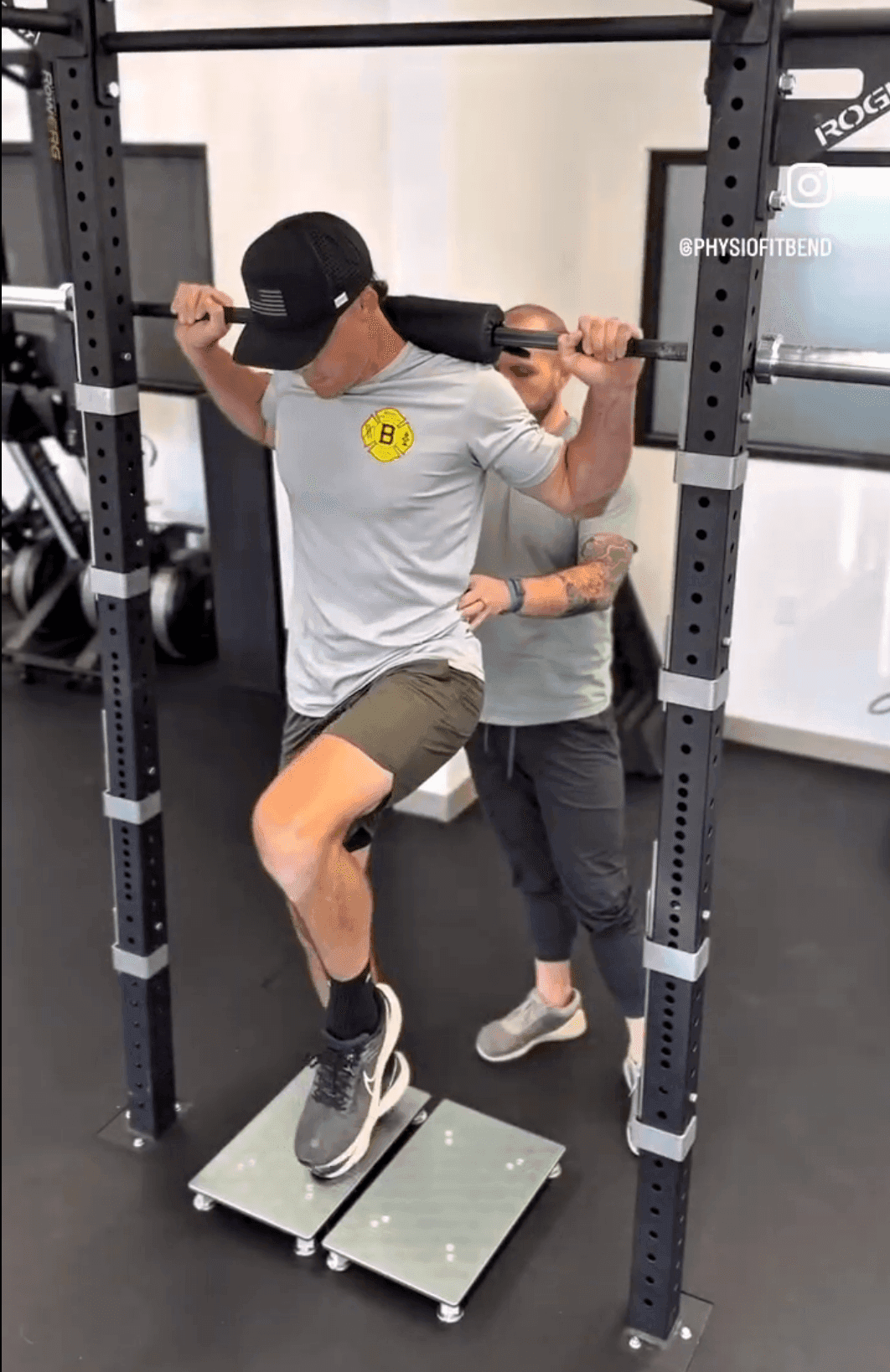

Co-Founder at PhysioFIT·May 1, 2026·8 min read
The short version: the tibialis anterior is the muscle running down the front of your shin, and it does two jobs — it lifts your foot up (so you don't trip) and it controls your foot as it lowers to the ground on every single step. Build it, and you get fewer shin splints, smoother running, and better balance. Below is the exact routine — strengthening, stretching, and release — that we use with patients at the clinic.
Signs your tibialis anterior needs work
- Your shins burn or "pump up" running or hiking uphill.
- You slap your foot down or scuff/trip your toes.
- You get recurring shin splints.
- You can't hold your toes up against resistance for long.
I'm a physical therapist at PhysioFIT in Bend, and the tibialis anterior is one of the most under-trained muscles I see — especially in runners and hikers. It's easy to strengthen once you know how, and the payoff for your lower legs is big.
What the Tibialis Anterior Actually Does
The tibialis anterior runs from just below your knee, down the front and slightly outer part of your shin, and attaches near the arch of your foot. It has two roles most people never think about:
- Lifts your foot (dorsiflexion). This is what clears your toes from the ground as you swing your leg through — weak tib ant is why people trip or develop "foot drop."
- Controls your foot on landing. The bigger one for athletes: as your heel strikes, the tibialis anterior lowers your forefoot under control, absorbing impact. When it fatigues, that load goes straight to your shin bone.
Why a Strong Tibialis Anterior Matters
- Shin splint prevention. Because it absorbs landing load, a stronger tib ant is one of your best defenses against shin pain after running.
- Running and walking efficiency. Better foot control means a cleaner, more economical stride.
- Trip and fall prevention. Reliable toe clearance matters for trail running, hiking uneven ground, and staying steady as we age.
- Ankle resilience. It contributes to the dynamic control that protects the ankle and knee.
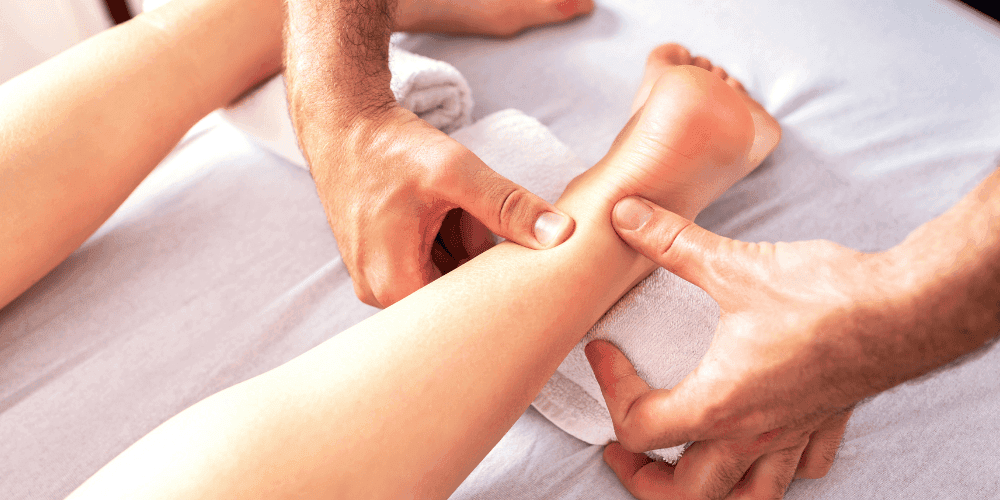
Best Tibialis Anterior Strengthening Exercises
Start with bodyweight, progress to band and weight. Keep the movement slow and controlled — the lowering phase is where the impact-absorbing strength is built.
- Standing tibialis raises (the "tib raise") — Stand with your back and heels against a wall, feet a step out in front. Keeping your heels planted, lift your toes and forefeet up as high as you can, then lower slowly. 2–3 sets of 15–25. This is the single best tib ant builder.
- Heel walks — Lift your toes off the ground and walk on your heels for 20–30 seconds. Great for endurance and easy to do anywhere. 2–3 rounds.
- Banded dorsiflexion — Sit with a resistance band looped around your forefoot, anchored in front of you. Pull your foot up toward your shin against the band, lower slowly. 2–3 sets of 15.
- Seated or weighted toe raises — Once the wall version is easy, add load: hang a light weight or band over your toes, or do them off the edge of a step for more range. 2–3 sets of 12–15.
- Eccentric toe lowers — Lift your toes with both legs, then lower with just one, slowly (3–4 seconds). This trains the impact-absorbing, controlled-lowering quality that matters most for runners.
Tibialis Anterior Stretch & Release
Strength is the priority, but mobility and release help if your shins feel tight or pump up easily:
- Kneeling shin stretch — Kneel with the tops of your feet flat on the floor, then gently sit back toward your heels until you feel a stretch along the front of your shins. Hold 20–30 seconds, 2–3 times.
- Standing toe-point stretch — Point your toes and press the top of one foot into the floor behind you to stretch the front of the shin. Good if kneeling is uncomfortable.
- Foam roll / ball release — Roll a foam roller or massage ball along the front-outer shin muscle (stay on the muscle, not the bone). Helpful for that tight, post-run "shin pump" feeling.
How to Program It
Two to three sessions a week is the sweet spot for the loaded work, with a day of recovery between harder sessions. Lighter, high-rep tibialis raises recover fast and can be done most days. Pair this routine with calf strengthening (heel raises) for a balanced lower leg — the calf and the shin work as a team, and training only one leaves a gap. Give it 4–6 weeks of consistency before judging the results; tendons and muscles adapt gradually.
When Shin Pain Is More Than Tightness
If your shins hurt during or after running rather than just feeling tight — especially if the pain is sharp, pinpoint, or worsening — that's beyond a strengthening routine. Read our guide to shin pain after running to tell shin splints from a stress fracture, and get assessed if anything points to the latter.
How We Build Lower-Leg Strength at PhysioFIT
When runners and hikers come in for sports and overuse injury rehab in Bend, we test lower-leg strength objectively, find the weak link, and build a progression that fits your sport — not a generic exercise sheet. The tibialis anterior is almost always part of the plan, because a strong shin is what keeps you on the trails. Build it, balance it with your calves, and stay consistent — your lower legs will thank you.
Frequently Asked Questions
What do tibialis anterior exercises do?
They strengthen the muscle on the front of your shin that lifts your foot (dorsiflexion) and, just as importantly, controls your foot as it lowers to the ground on every step. A stronger tibialis anterior absorbs impact better, which is why it's central to preventing and recovering from shin splints, improves walking and running efficiency, and helps with foot drop, tripping, and balance.
How do I strengthen my tibialis anterior at home?
You don't need equipment. Standing tibialis raises (lean against a wall, keep heels down, and lift your toes and forefoot up as high as you can) are the single best starter — 2–3 sets of 15–25. Add heel walks (walk on your heels with toes lifted) and banded or weighted toe raises as you get stronger. Two to three short sessions a week makes a noticeable difference within a few weeks.
How do you stretch the tibialis anterior?
Kneel with the tops of your feet flat on the floor and gently sit back toward your heels until you feel a stretch along the front of the shins — hold 20–30 seconds. A standing version: point your toes and press the top of your foot into the floor behind you. Foam rolling or using a massage ball along the front-outer shin (not on the bone) can also reduce tightness and that post-run 'shin pump' feeling.
Can weak tibialis anterior cause shin splints?
It's a contributor. The tibialis anterior helps absorb load every time your foot meets the ground, so when it fatigues or is underbuilt, more stress transfers to the shin bone and surrounding tissue — a recipe for shin splints. Strengthening it is one of the key pieces of both treating and preventing shin pain. If your shins already hurt after running, pair this routine with the broader plan in our shin pain guide.
Why do my shins burn or 'pump up' when I run or hike uphill?
That burning, tight, pumped feeling on the front of your shins is usually the tibialis anterior fatiguing — it's working overtime to lift your foot, especially uphill or at faster cadences. It's typically a sign the muscle needs more strength and endurance, not rest. Progressive tibialis raises build that capacity so the burn shows up later and lighter.
How often should I do tibialis anterior exercises?
Two to three sessions a week is plenty for building strength, with at least a day in between for harder loaded work. Lighter, higher-rep tibialis raises can be done more frequently — even daily — because the muscle recovers quickly. Consistency over weeks matters far more than any single hard session.
Please Note: The information on this page is for general education and is not a substitute for professional medical advice. Every body is different, and exercises should be performed under the guidance of a qualified physical therapist to ensure correct technique and avoid injury. If you'd like a program built for your legs, or want to train with a physical therapist in Bend, Oregon, reach out at PhysioFITBend.com.